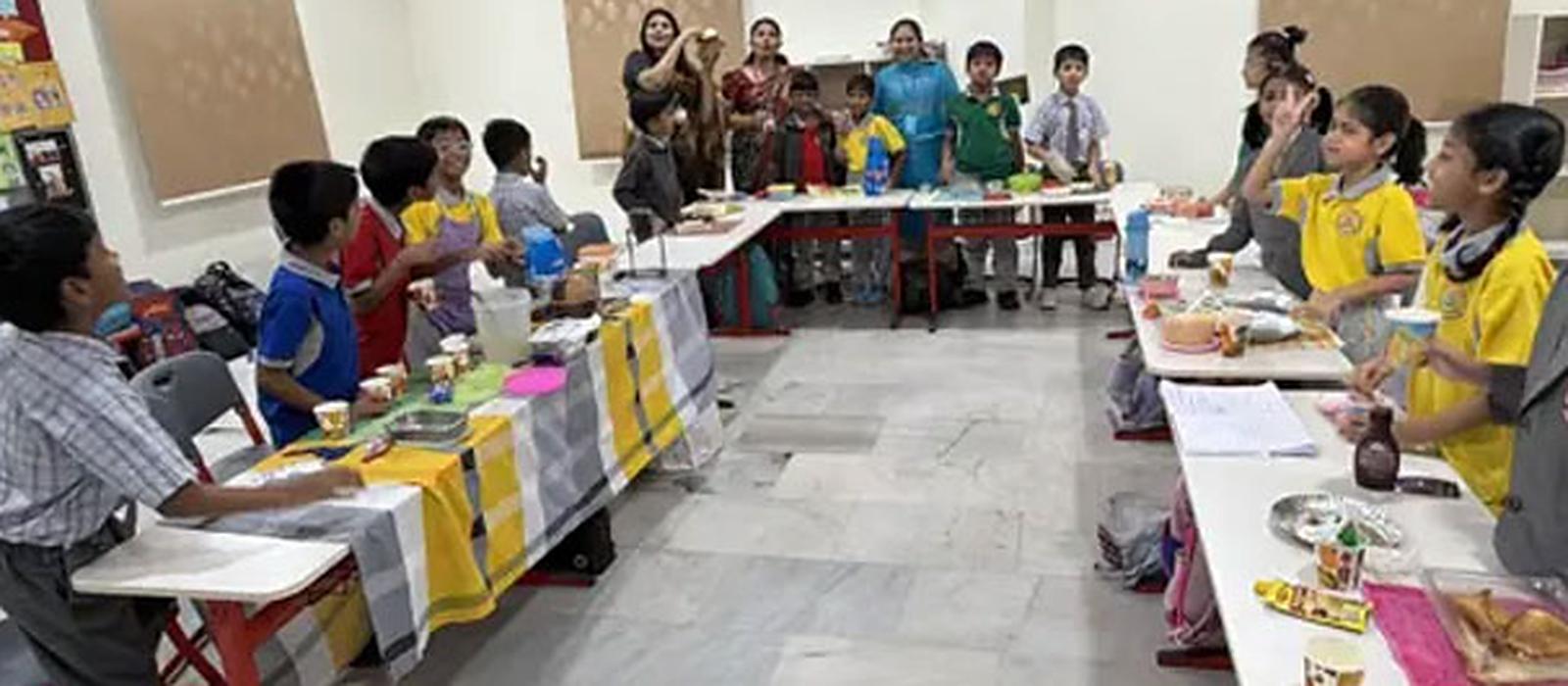
Controlled access
Visitors sign in at reception; children are released only to registered guardians.

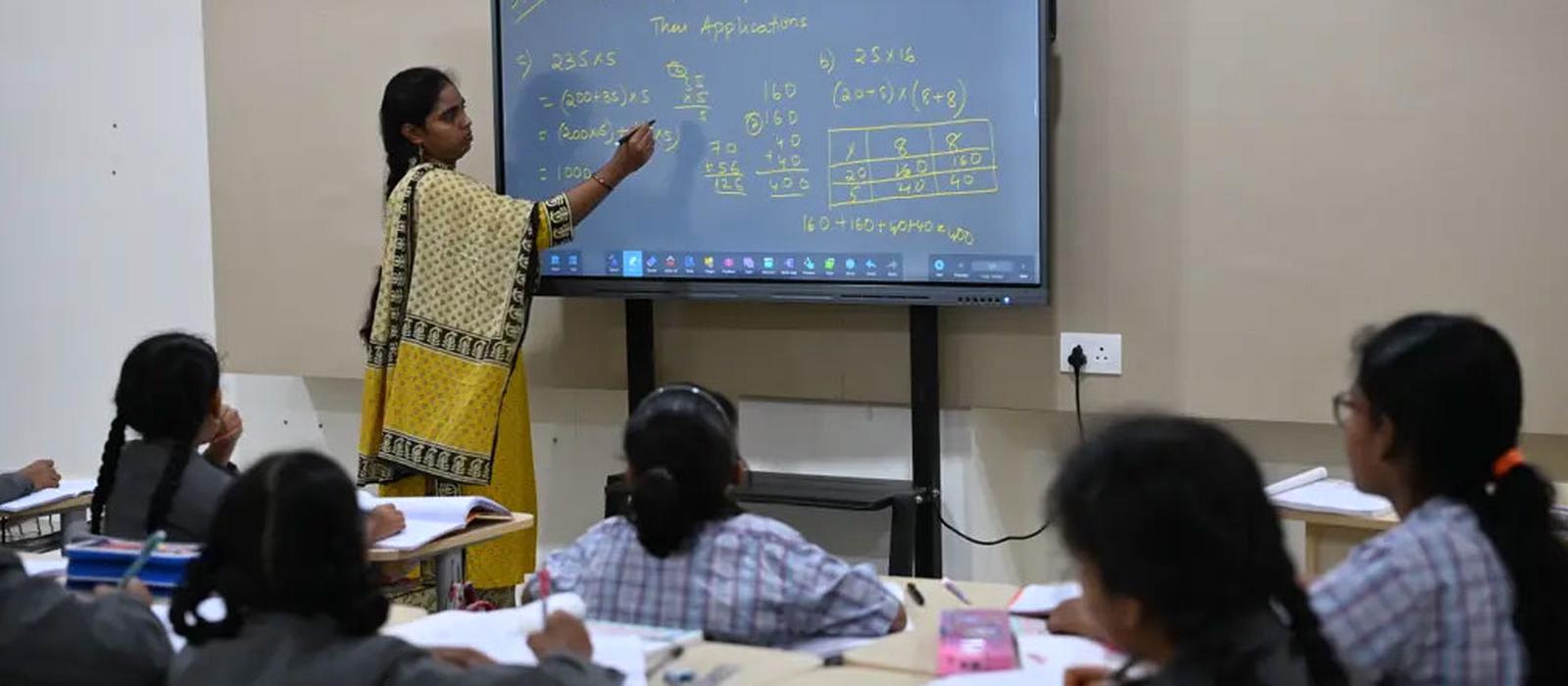
Children learn best when they feel secure and understood. Our support system makes sure no child slips quietly through the gaps — academically or emotionally.
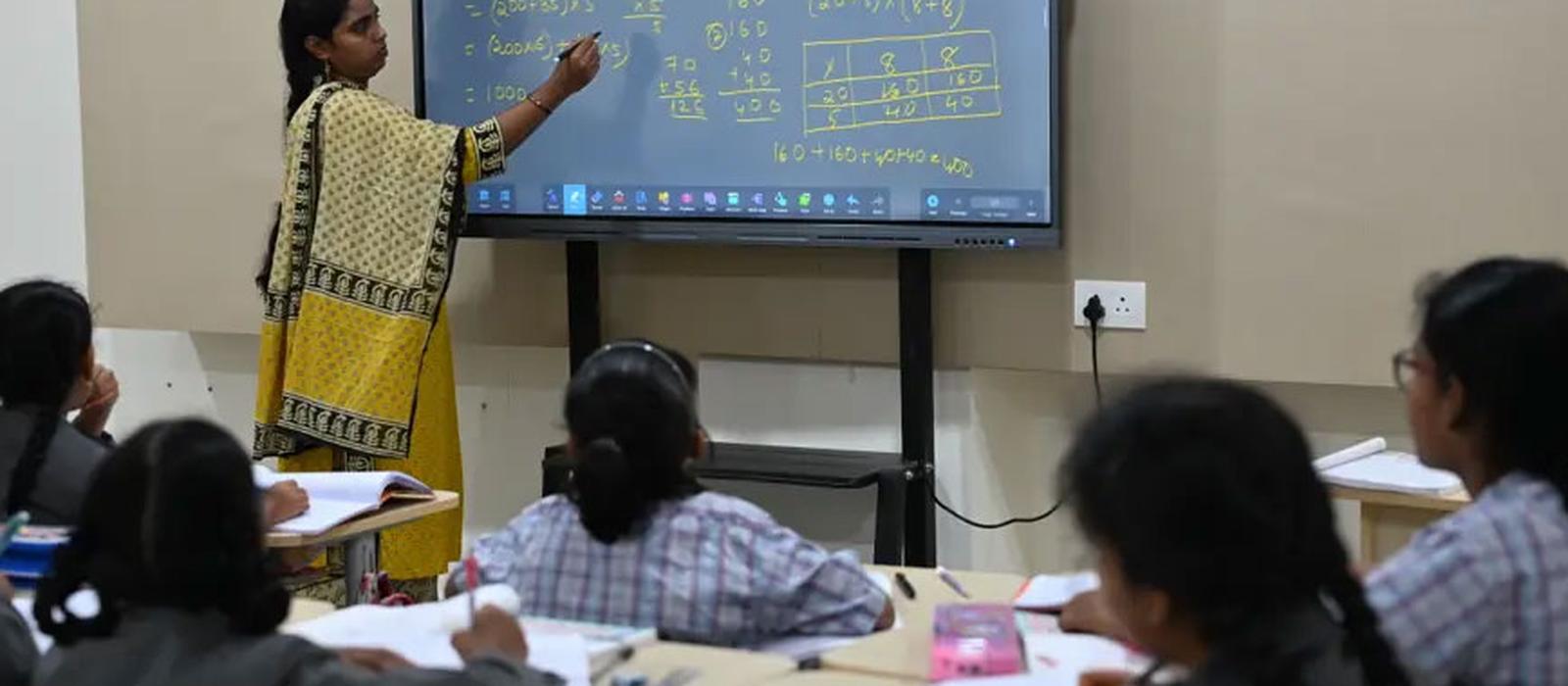
Every class has a class teacher who spends significant time with the children, notices changes in mood or behaviour, and is the first point of contact for parents. Class teachers meet regularly with subject teachers and coordinators to share observations and agree next steps.
When a child is new, unsettled, facing a family change or simply having a difficult week, the class teacher coordinates support — sometimes a quiet conversation, sometimes a buddy, sometimes a meeting with parents.
Regular checks and observation highlight children who are finding something hard — or finding it too easy.
We share what we have noticed and listen to what you see at home.
In-class small-group help, adapted tasks, additional practice or extension challenges.
Support is reviewed after a few weeks and adjusted based on progress.
If your child has a diagnosed learning need or requires specific accommodations, please share relevant reports during admission so that we can discuss how best to support them. Information is handled confidentially.
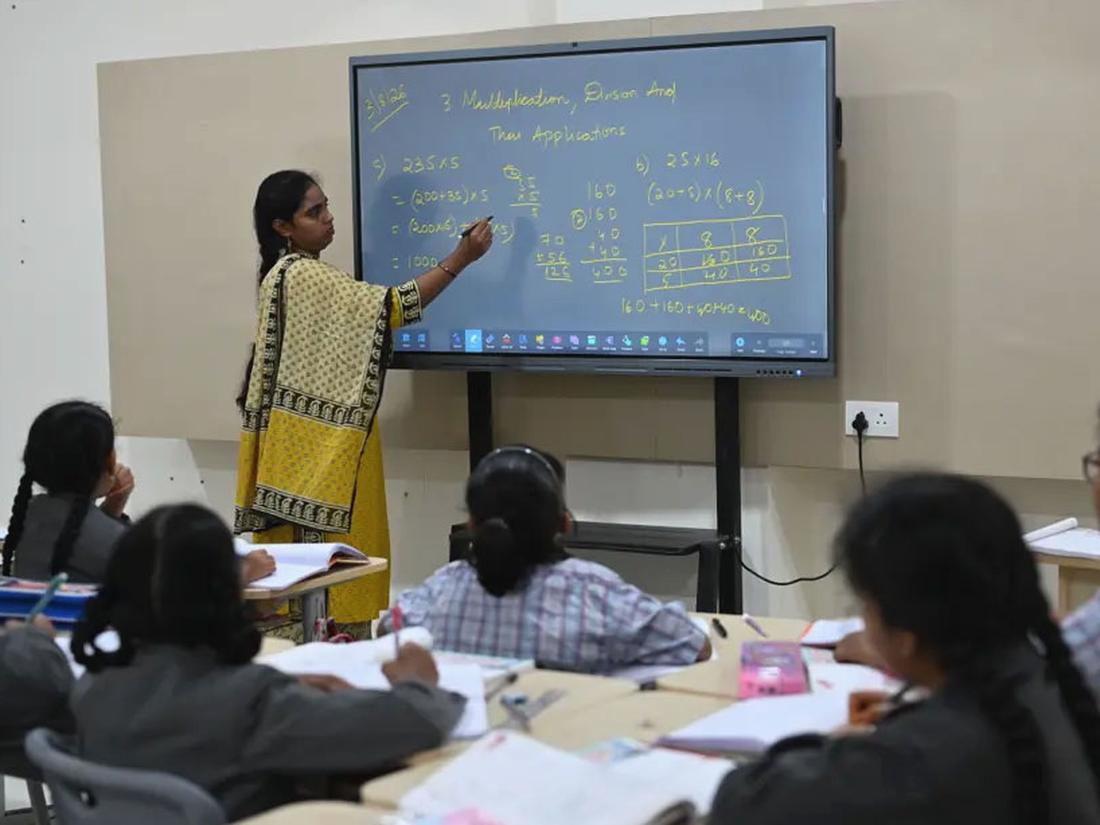
Wellbeing is built into the school week: movement and sport, time outdoors, creative subjects, circle time and discussions about feelings, friendships and kindness. Assemblies and life-skills sessions address topics such as managing worry, being a good friend and making safe choices.
We encourage healthy habits — water, balanced tiffins, sleep and regular routines — and work with parents when a child seems tired, anxious or withdrawn.
Visitors sign in at reception; children are released only to registered guardians.
Staff supervise arrival, breaks, transitions and dismissal.
First-aid provision on campus and prompt contact with parents if a child is unwell.
Clear expectations, quick response and support for all children involved.
Many children are quiet at first. Partner talk, small groups, buddy systems and gentle encouragement help shy children participate at their own pace.
We take every report seriously, investigate promptly, support the child affected, work with the child responsible to change behaviour and keep parents informed.
Yes. Please contact the class teacher or Principal; concerns are handled sensitively and shared only with those who need to know.

A campus visit is the clearest way to understand how our classrooms work, how teachers speak with children and whether Arkaas is the right fit for your family.