English
Literature, grammar, comprehension, persuasive and creative writing, debate and presentation skills.
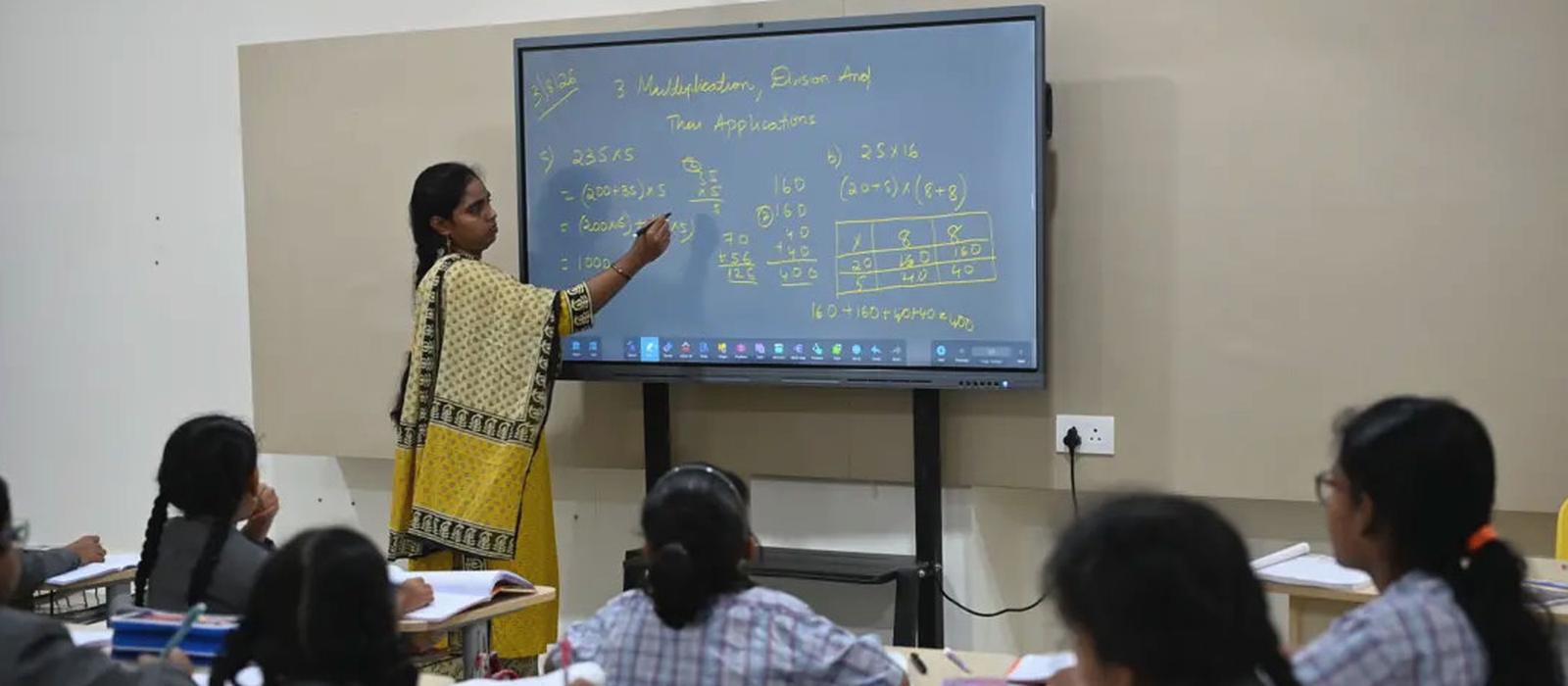
Middle school is where children begin to think like mathematicians, scientists, historians and writers — and where good study habits are formed for life.
The move to subject-based learning is exciting and demanding. We make the transition deliberate.
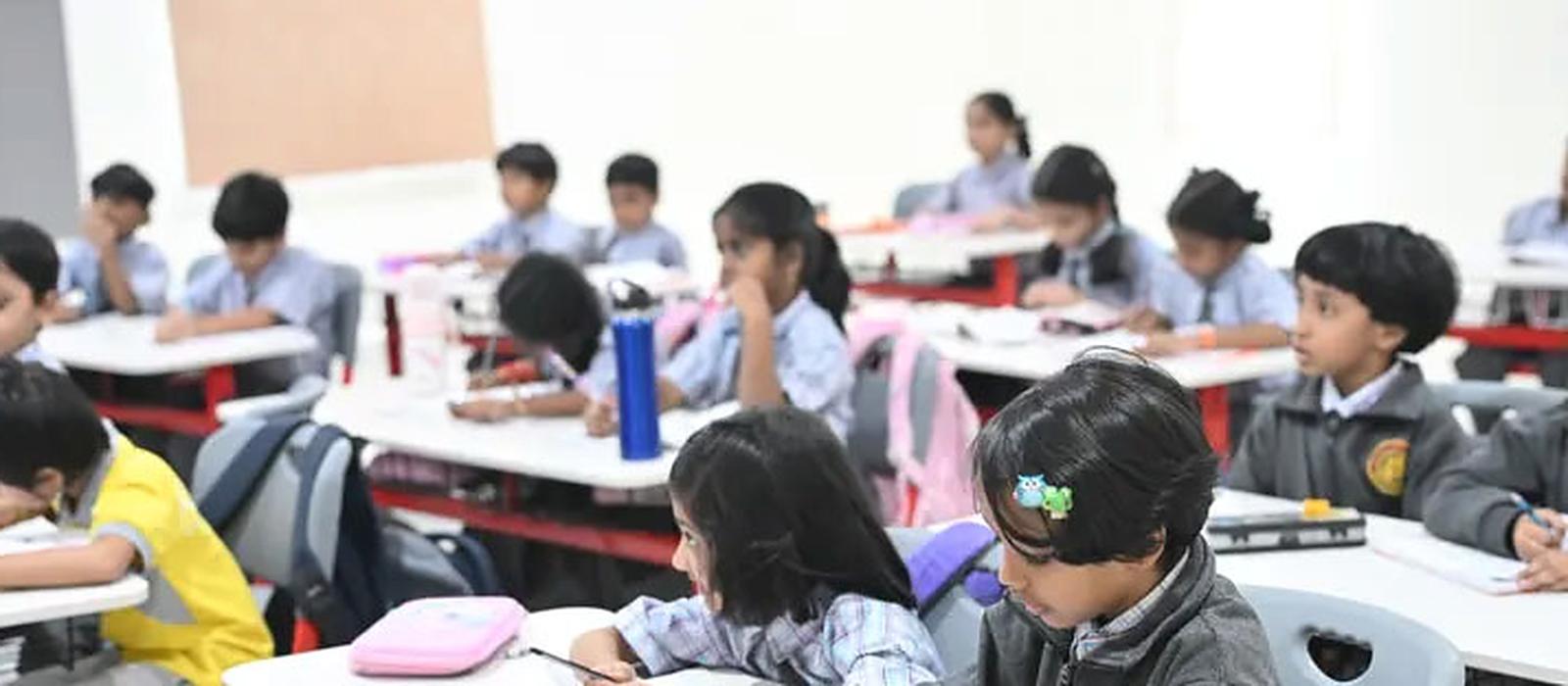
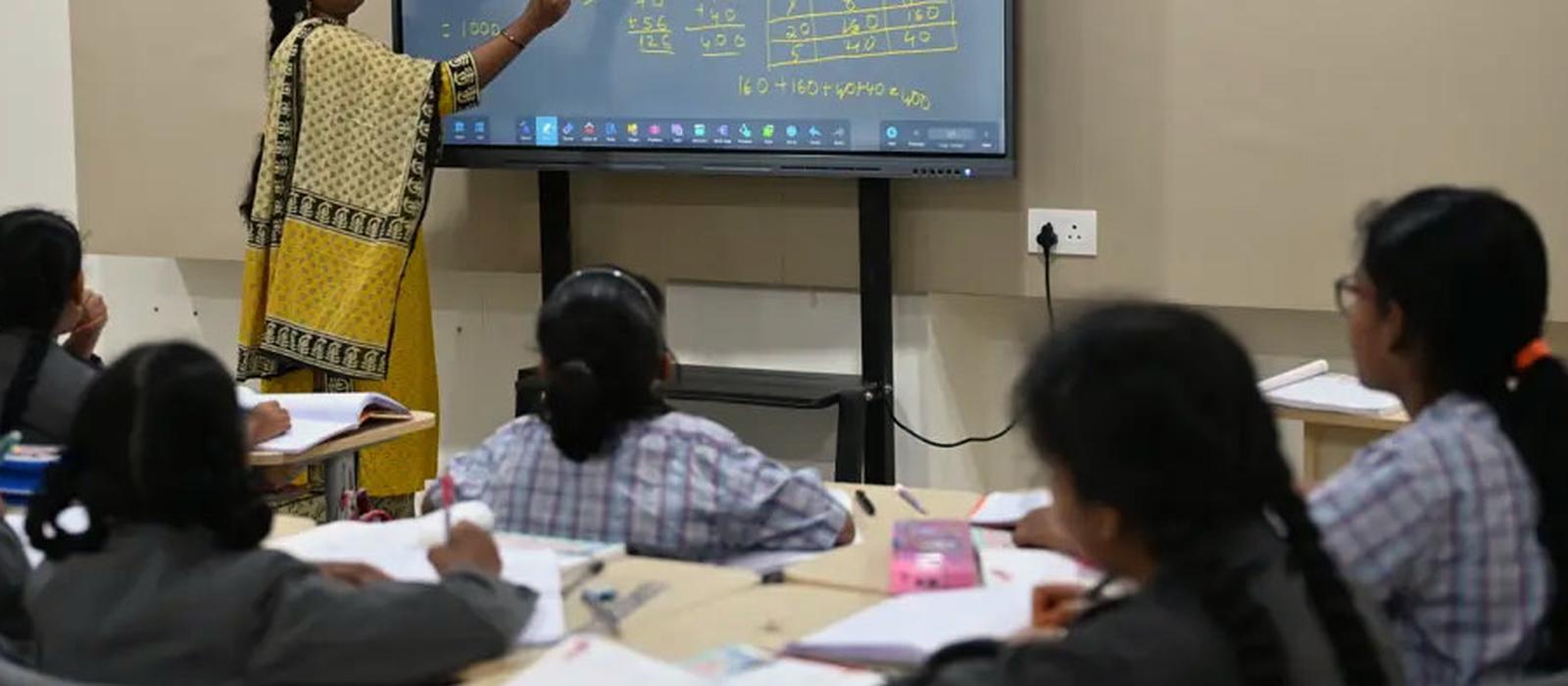
Students are taught by subject specialists in English, mathematics, science, social science and languages. Lessons involve more reading, extended writing, practical work, reasoning questions and projects.
They learn to plan their time, keep organised notebooks, revise effectively and ask for help when they need it. Leadership opportunities — class representatives, club leaders, event volunteers — build responsibility.
Parents receive regular updates on assessments, homework expectations and progress in each subject. We explain how CBSE’s competency-based questions work, so that you can support revision at home.
Class teachers continue to act as the main point of contact, coordinating with subject teachers so you have a complete picture of your child’s learning and wellbeing.
Literature, grammar, comprehension, persuasive and creative writing, debate and presentation skills.
Integers, ratio, algebra, geometry, mensuration and data handling, with reasoning and real-life problems.
Physics, chemistry and biology concepts through experiments, observation, models and scientific explanation.
History, geography, political life and economics using maps, sources, timelines and discussion.
Reading, grammar, writing and literature in Indian languages, with cultural celebrations.
Productivity tools, internet safety, logical thinking and introductory coding.
Visual arts, music, dance, sport and yoga as part of every week.
Interdisciplinary projects, exhibitions and skill-based activities aligned to CBSE guidance.
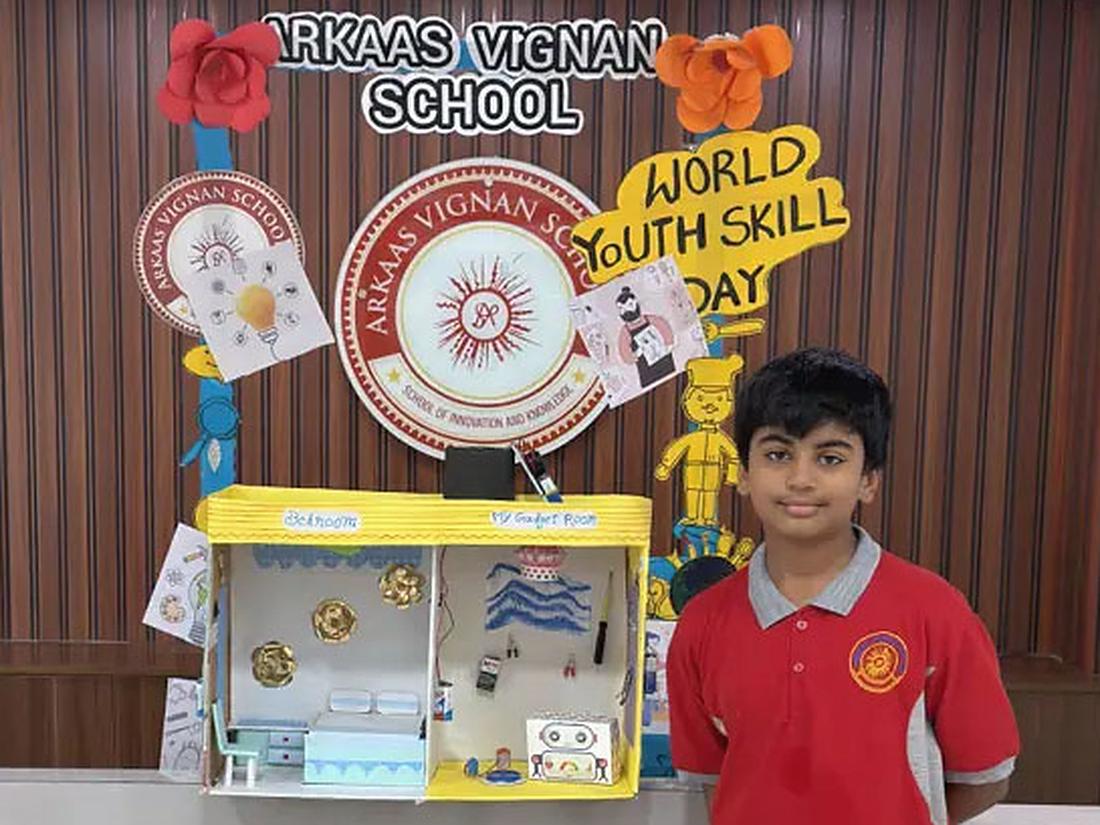
CBSE increasingly assesses whether students can apply concepts to unfamiliar situations, interpret data, and explain their reasoning. We prepare students for this with case-based questions, experiments, projects and regular practice in writing clear, structured answers.
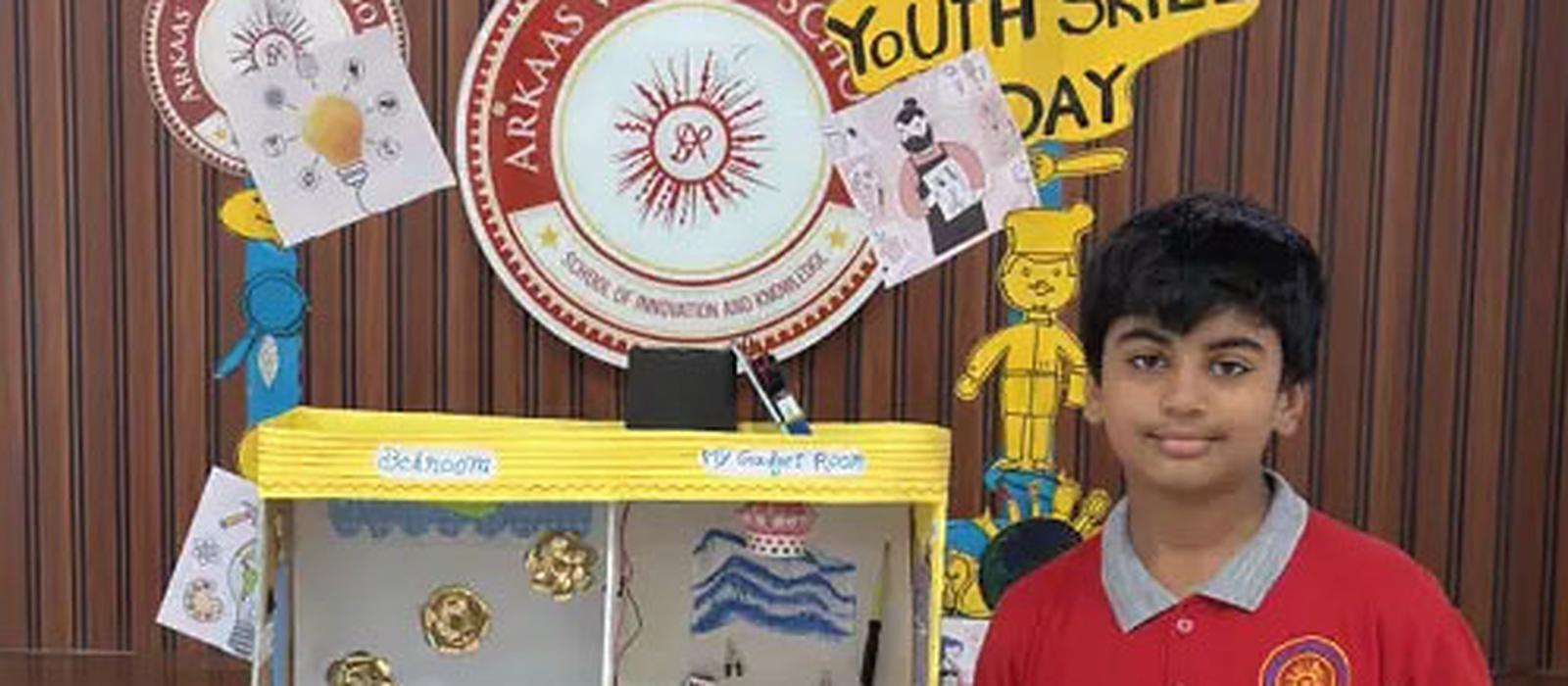
Events such as World Youth Skills Day give students the chance to design, build and present their own projects — experiences that develop creativity, persistence and the confidence to speak about their work.
Using a diary to track homework, deadlines and revision.
Summarising, diagramming and highlighting key ideas.
Self-quizzing and spaced revision instead of last-minute cramming.
Learning from feedback and asking for help early.
Currently we offer classes up to Grade 8. Our middle-school programme is designed to prepare students well for secondary education.
Through periodic tests, term examinations, practicals, projects and class work, following CBSE guidance. Read more on our assessment page.
Yes. Teachers identify gaps from regular checks and provide targeted support in class and, where needed, additional practice.
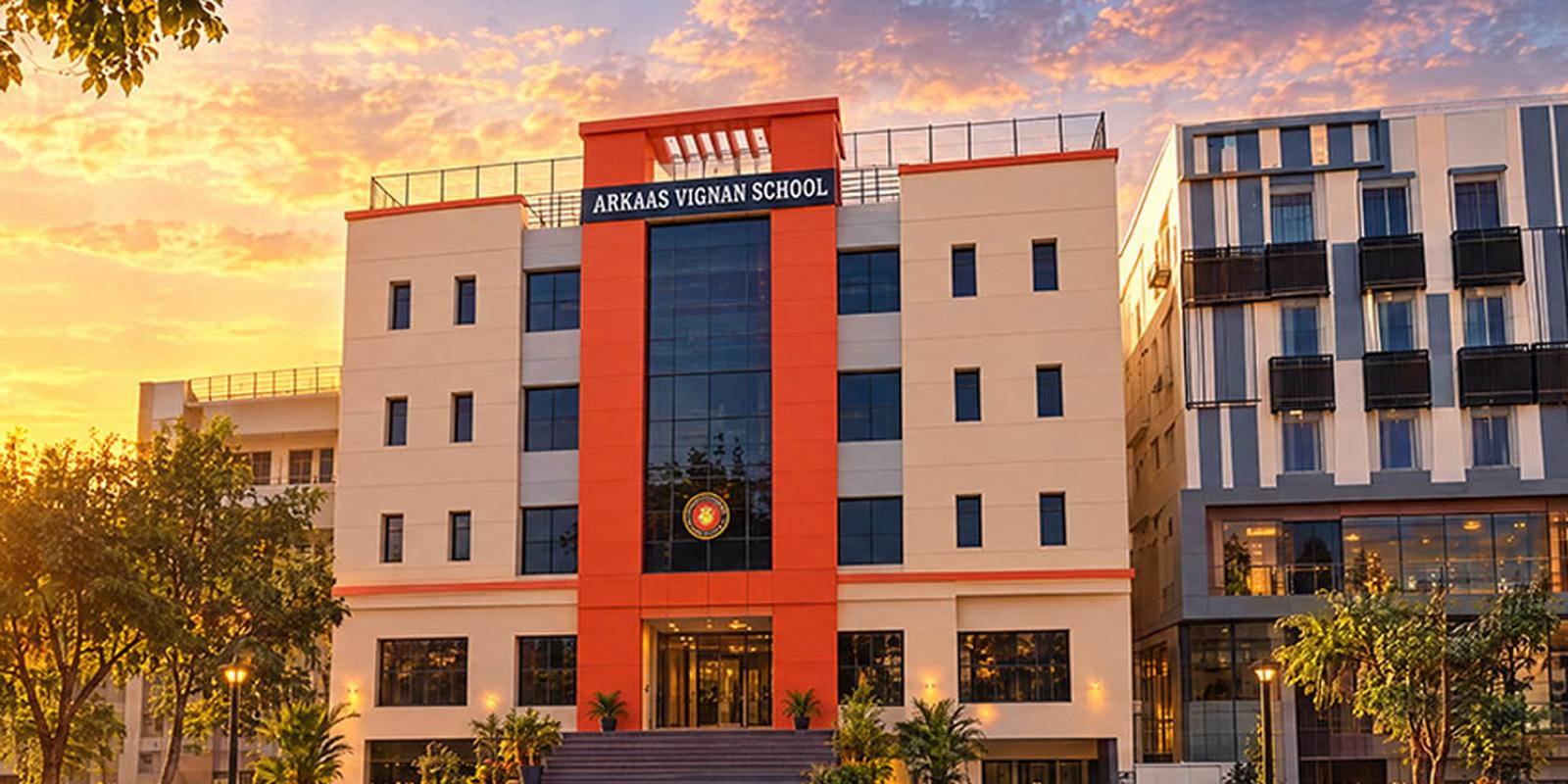
A campus visit is the clearest way to understand how our classrooms work, how teachers speak with children and whether Arkaas is the right fit for your family.