Early Years
Sorting, patterns, water and sand play, growing seeds and simple “what happens if” questions.
Science, technology, engineering and mathematics come alive when children observe, question, build, test and explain. That is how we teach STEM at Arkaas.
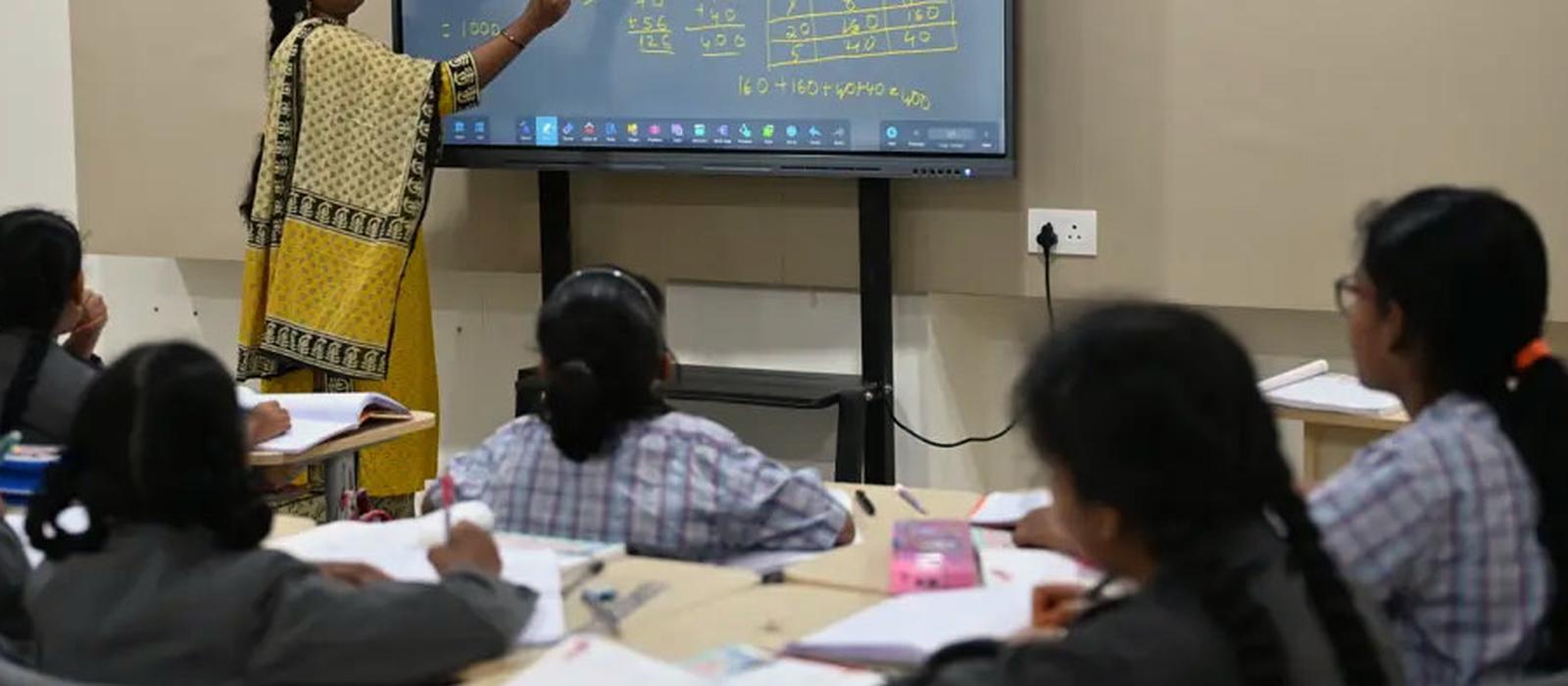
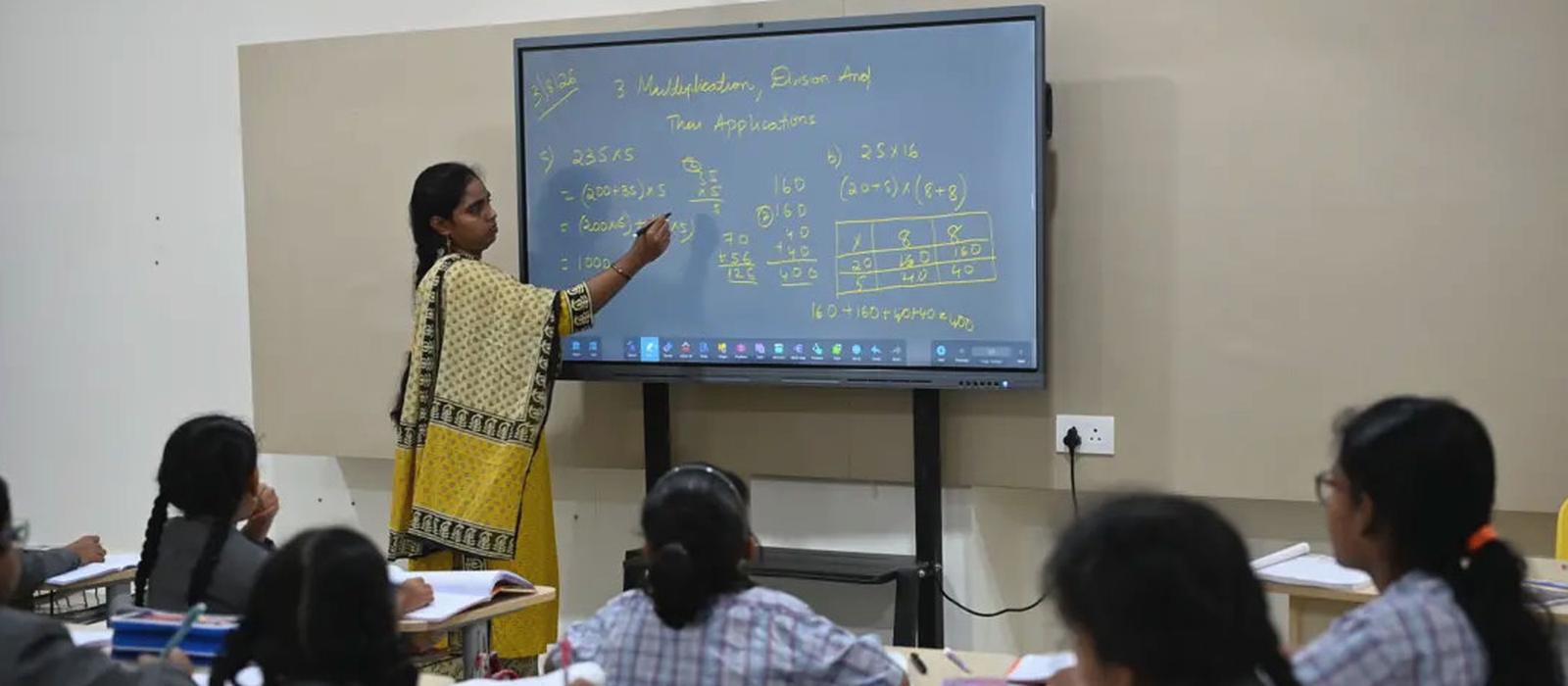
Whether building a model, planning an experiment or writing code, students follow the same thinking cycle used by scientists and engineers.
What is the problem? What do we already know? What do we want to find out?
Brainstorm ideas, choose one, sketch a design or plan a fair test.
Make a model or run the experiment; record observations carefully.
Reflect on results, refine the design and present findings to others.
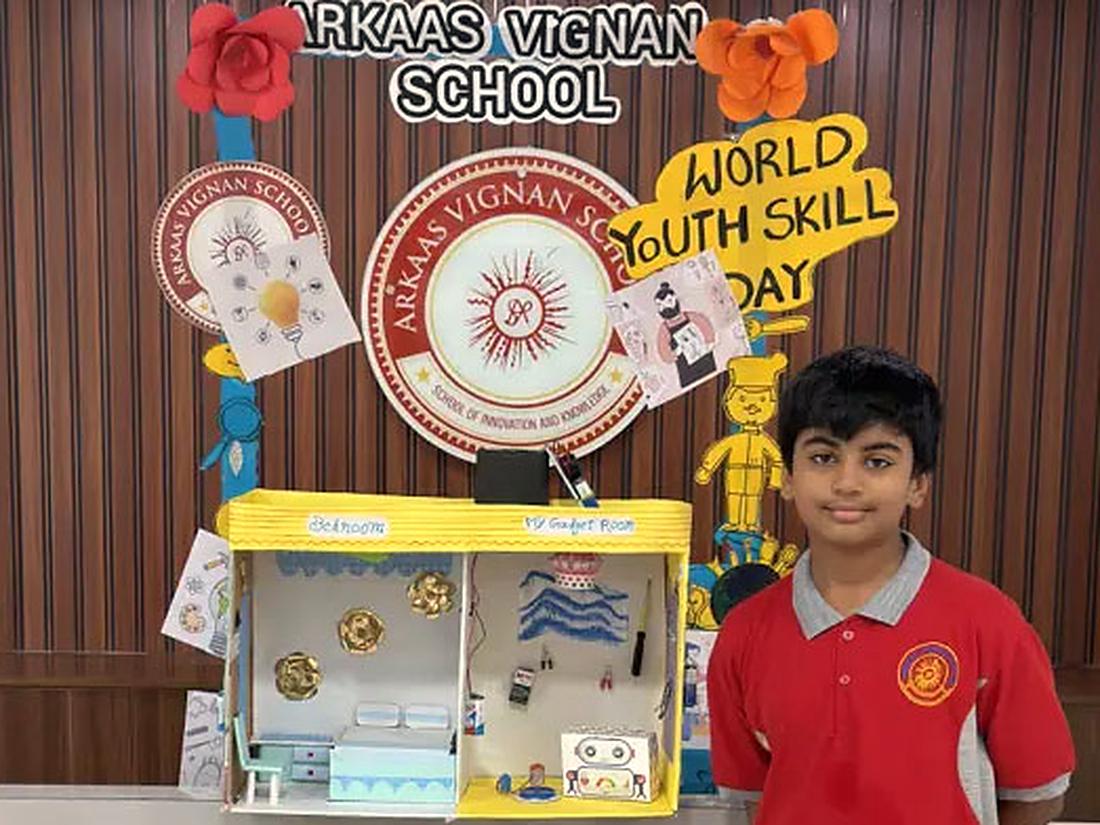
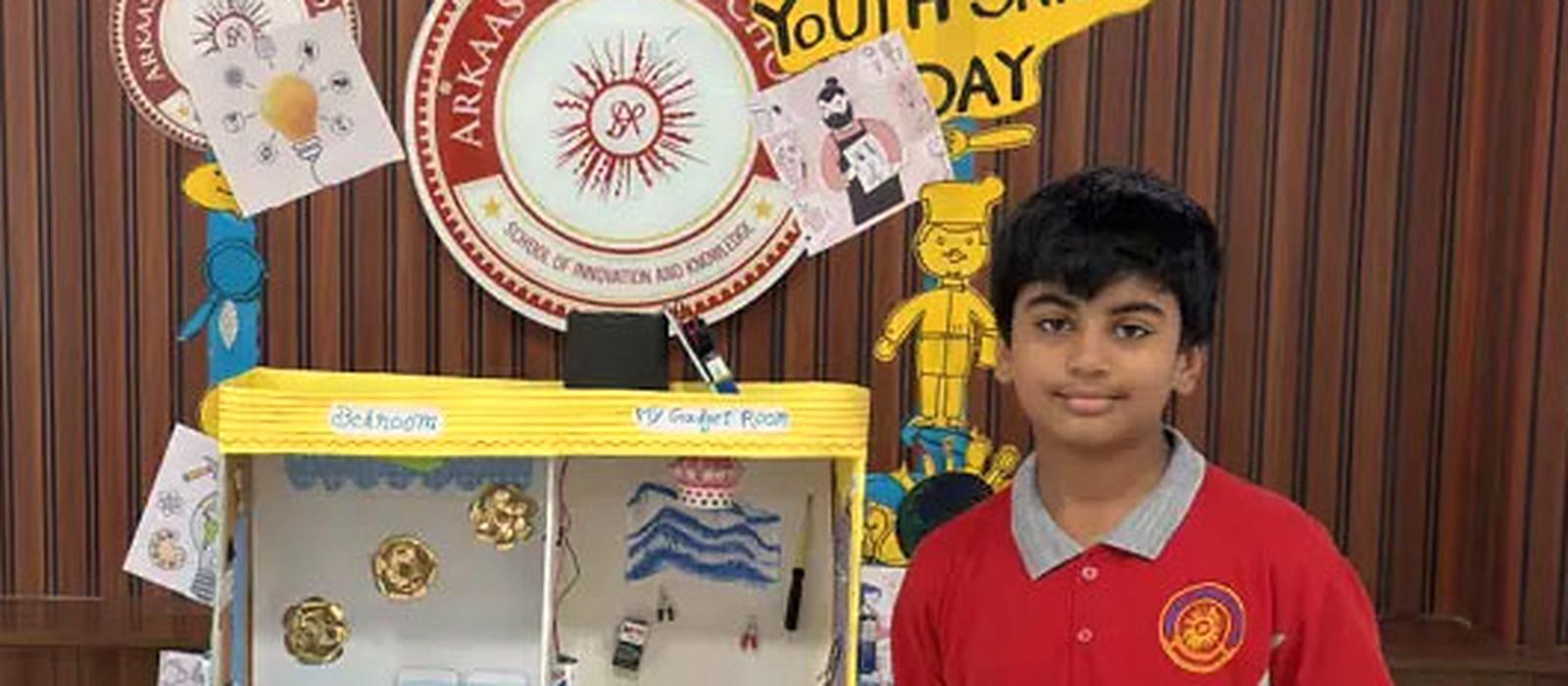
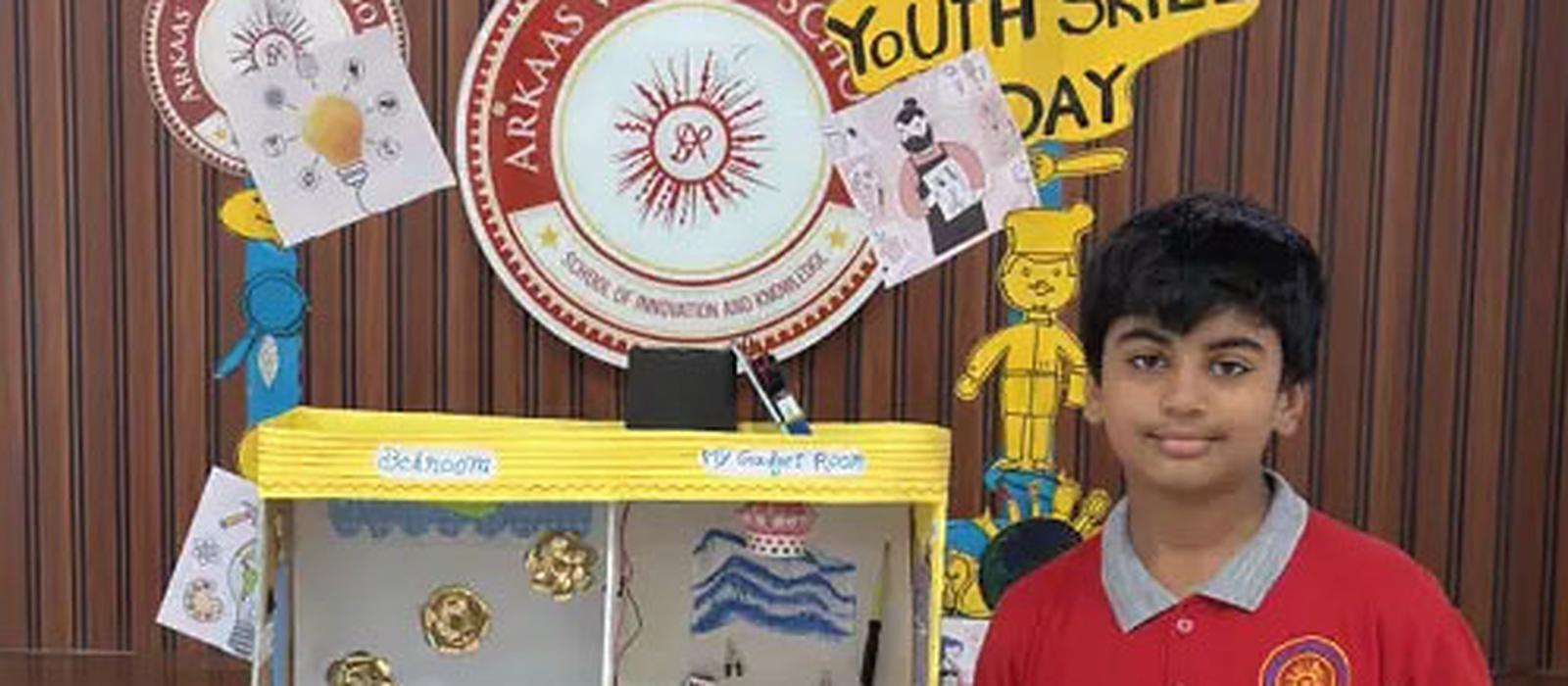
On World Youth Skills Day, our students showcased projects they had designed and built themselves — working models, practical solutions and creative presentations. Visitors asked questions, and students explained how their projects worked and what they would improve.
Events like this build much more than science knowledge. Children learn to persevere when something does not work, to collaborate, to manage time and to communicate confidently — all essential skills for the future.
Sorting, patterns, water and sand play, growing seeds and simple “what happens if” questions.
Measurement, shapes, EVS investigations, simple circuits and models from recycled materials.
Structured experiments, data handling, scientific explanation, prototypes and exhibitions.
Logic puzzles, algorithms and coding that grow with each grade.
Eco projects, waste reduction and Vanamahotsav activities that connect science with care for nature.
Puzzles, estimation and real-life problems that build number sense and logical thinking.
The important thing is not to stop questioning. Curiosity has its own reason for existing.
Yes. Age-appropriate, supervised experiments and investigations are part of science and EVS lessons, alongside demonstrations on interactive panels.
Computational thinking and coding foundations are taught in computer classes. See Digital Learning.
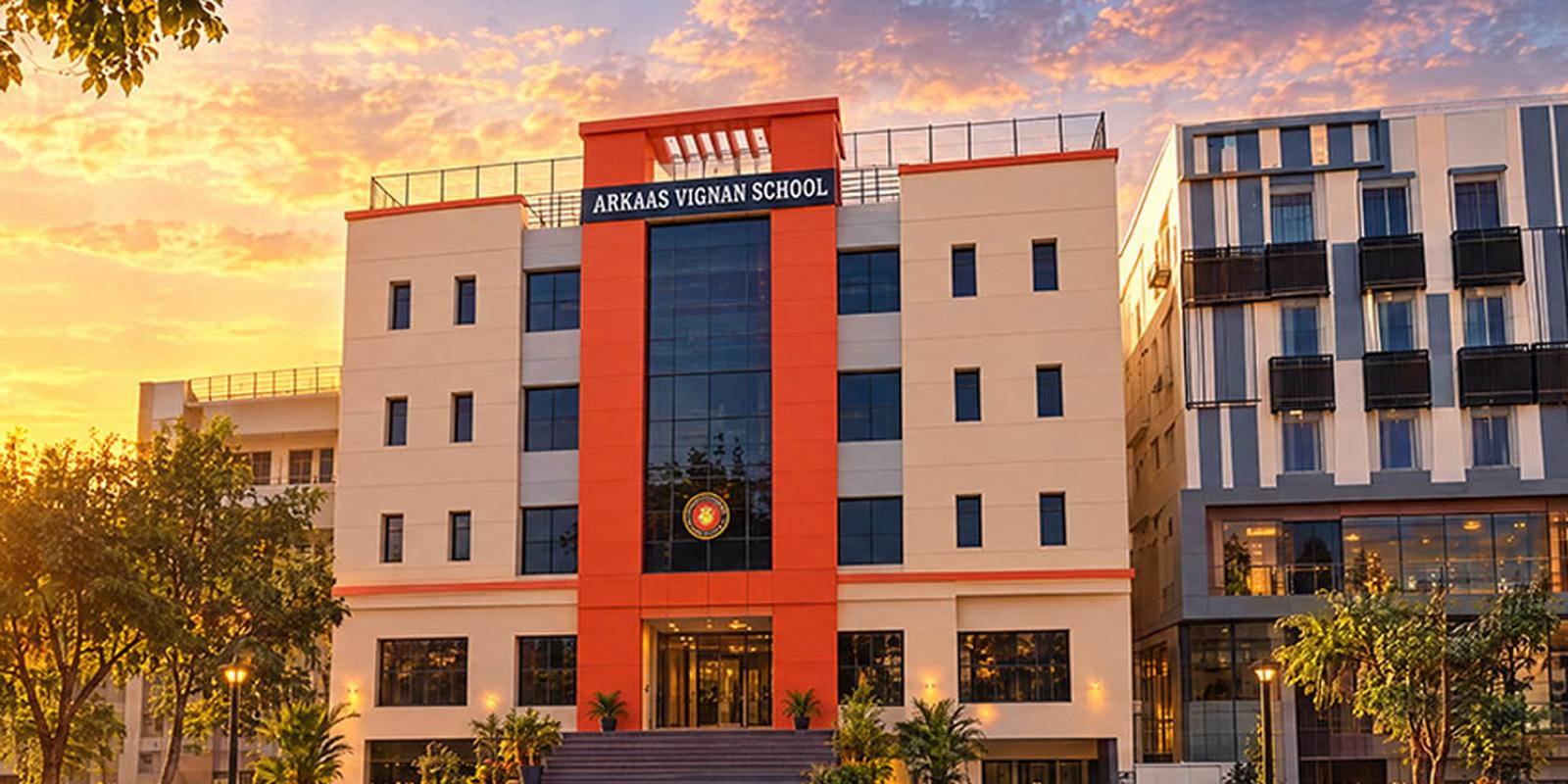
A campus visit is the clearest way to understand how our classrooms work, how teachers speak with children and whether Arkaas is the right fit for your family.