Parents often hear that CBSE is becoming “competency-based”. It sounds technical, but the idea is simple: children should be able to use what they learn, not only remember it. Here is what that means in the classroom, in homework and in assessments — and how you can support it at home.
From knowing to applying
A traditional question asks a child to state a definition. A competency-based question asks them to use that idea in a new situation. For example, instead of “Define perimeter”, a child might be asked how much fencing is needed for a garden shown in a diagram. Both need knowledge; the second also needs understanding and reasoning.
This shift reflects the direction set by the National Education Policy 2020 and the National Curriculum Framework: fewer rote answers, more understanding, application and critical thinking.
What changes in the classroom
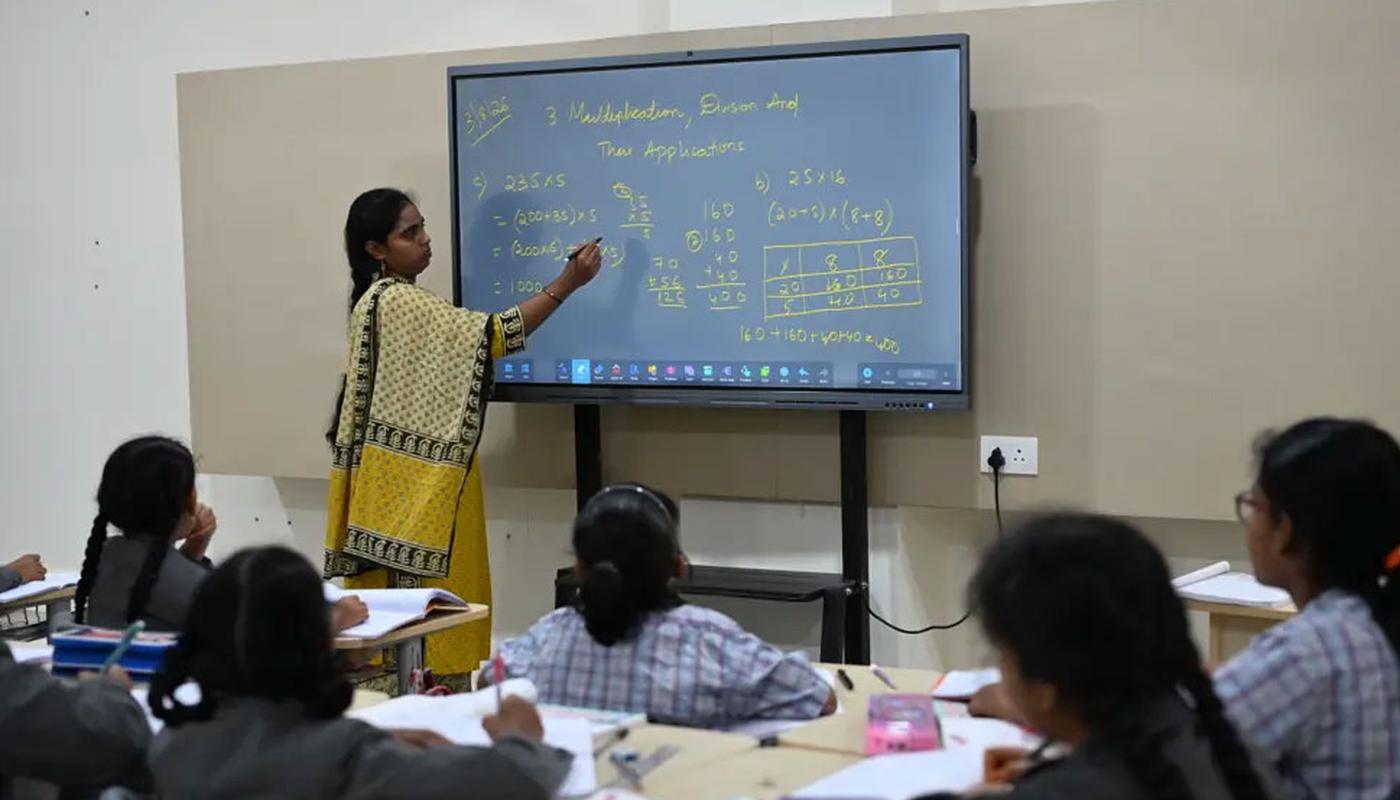
- More explaining, less copying. Children are asked to say how they got an answer, not only what it is.
- Real contexts. Maths problems about shopping and travel; science linked to kitchens, weather and the local environment.
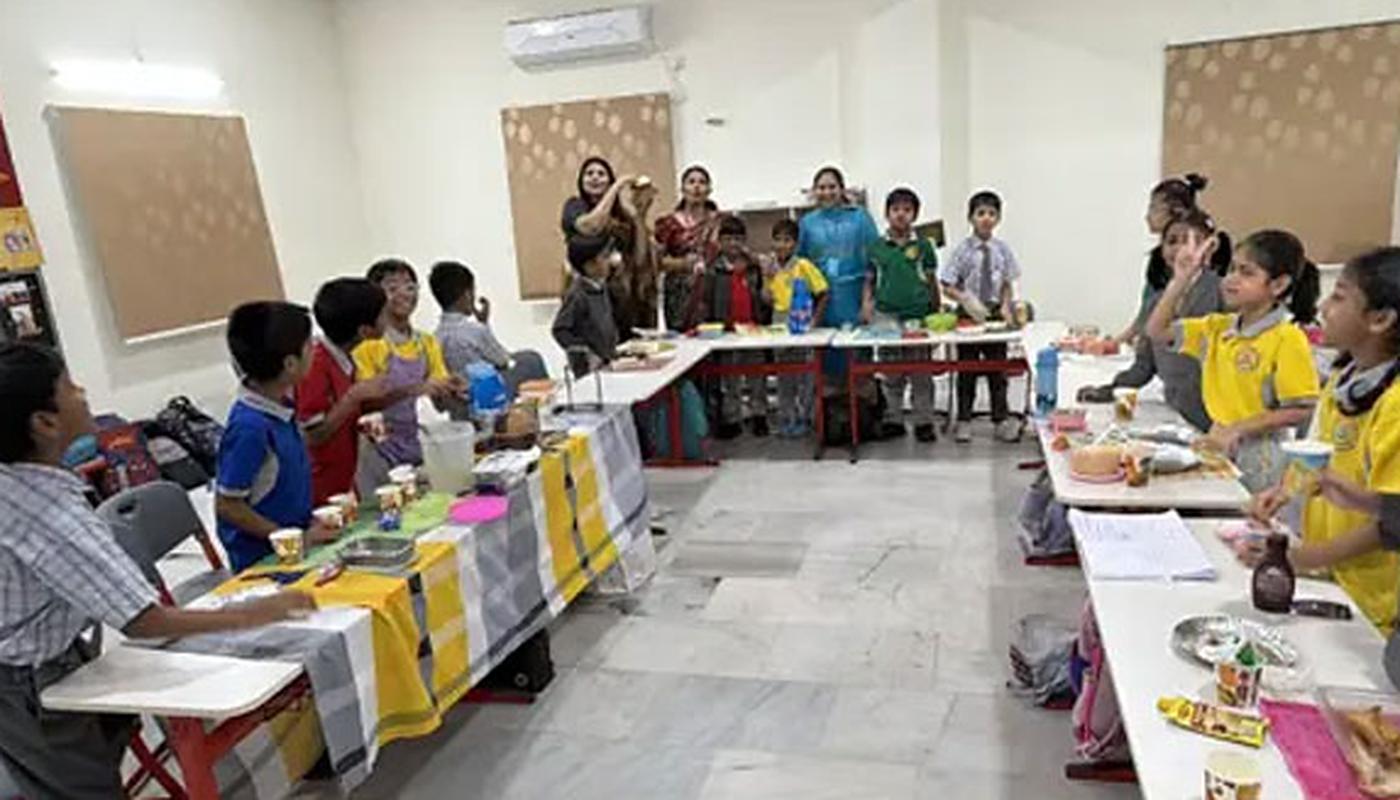
- Hands-on activity. Models, experiments, role play and projects that make abstract ideas concrete.
- Discussion and collaboration. Pair and group work where children test ideas and learn to disagree respectfully.

What changes in assessment
Tests increasingly include case-based questions, source-based questions, data interpretation and assertion–reason items. A question may present a short passage, table or diagram and ask children to draw conclusions. Rote memorisation alone is not enough; children need to read carefully, think and apply.
Schools also use more formative assessment: short checks during learning that help teachers adjust teaching before a unit ends. Our Assessment page explains how this works at Arkaas.
What it does not mean
Competency-based learning does not mean that facts, practice or exams no longer matter. Children still need to know times tables, spellings, formulae and key concepts. Knowledge is the raw material of thinking. The difference is that knowledge is expected to be understood well enough to be used.
Knowing a formula is the beginning. Knowing when to use it is the goal.
How parents can help at home
- Ask “how” and “why”. When your child solves a problem, ask them to explain it to you as if you were the student.
- Connect learning to daily life. Measuring ingredients, estimating a bill, reading a map or noticing the moon’s changing shape all apply school concepts.
- Value mistakes. A wrong answer that shows reasoning is a better learning moment than a copied right answer.
- Read widely together. Comprehension is at the heart of case-based questions in every subject.
- Avoid doing projects for your child. A simpler model that your child built and can explain is far more valuable than a perfect one they cannot.
What it looks like at different ages
Early Years
Sorting, counting and pattern-making with real objects; retelling stories; observing plants and weather.
Primary
Explaining strategies in maths, simple investigations in environmental studies, writing for real purposes like letters and notices.
Middle School
Data interpretation, experiments with variables, analysing sources in social science, extended projects and presentations.
To see how the CBSE curriculum is taught at our school, read about our CBSE curriculum and teaching and learning approach.

Teachers and school leaders at Arkaas Vignan School. Our articles share practical guidance for families; for advice about your own child, please speak with their class teacher.