Teach for understanding
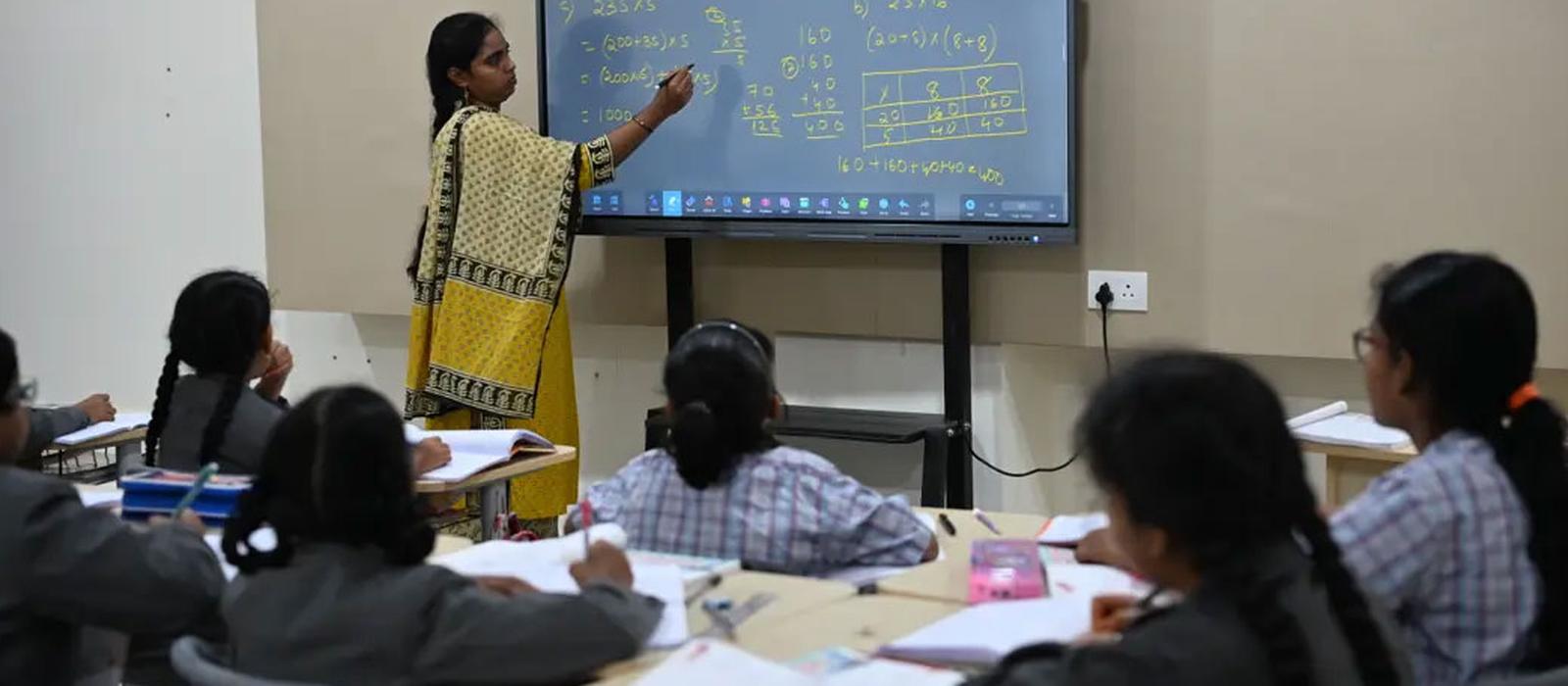
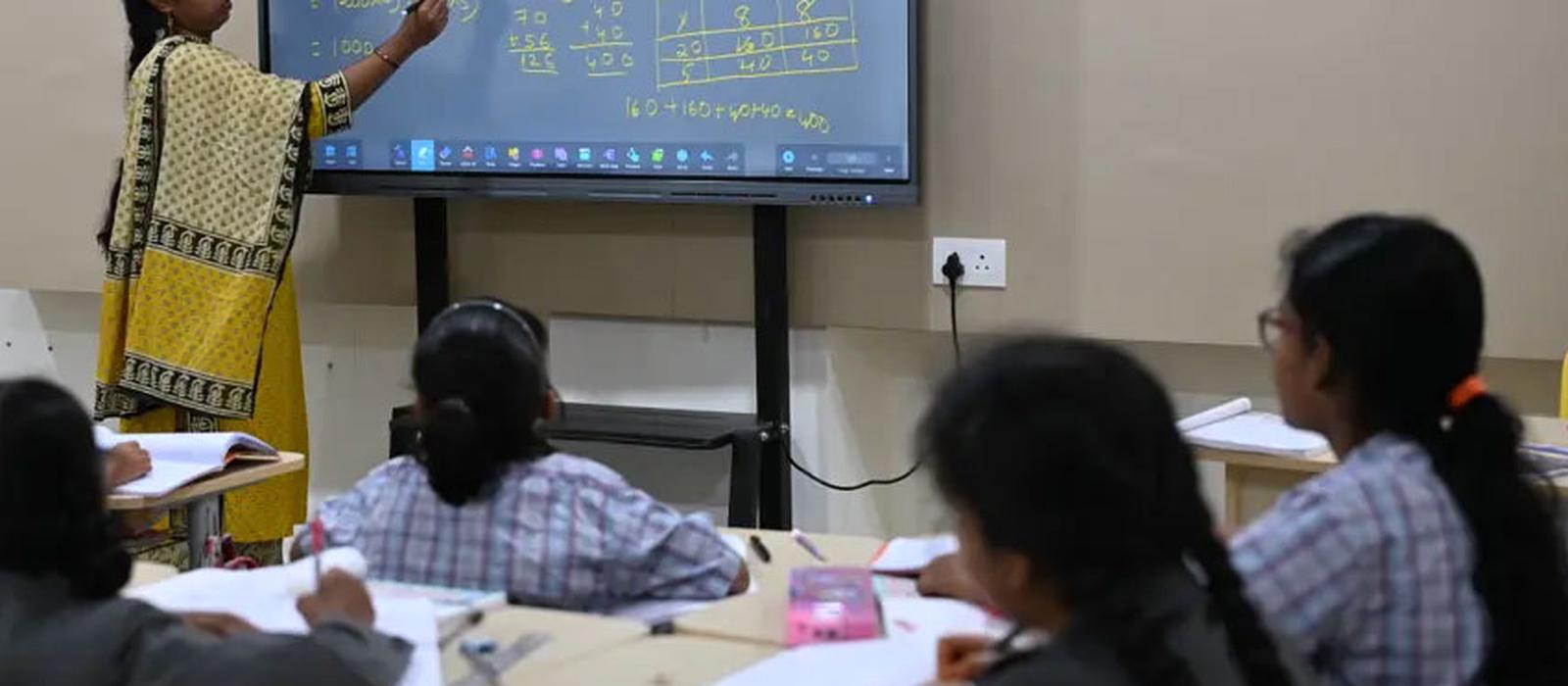
Lessons are planned around concepts, worked examples and practice, with regular checks so that misunderstandings are caught and corrected early.
A vision describes the kind of young people we hope our students become. A mission describes the promises we keep every single school day to help them get there.
We want every Arkaas student to leave Grade 8 with strong foundations in language, mathematics and science; the ability to ask good questions and reason through problems; and the character to work honestly, respectfully and responsibly with others.
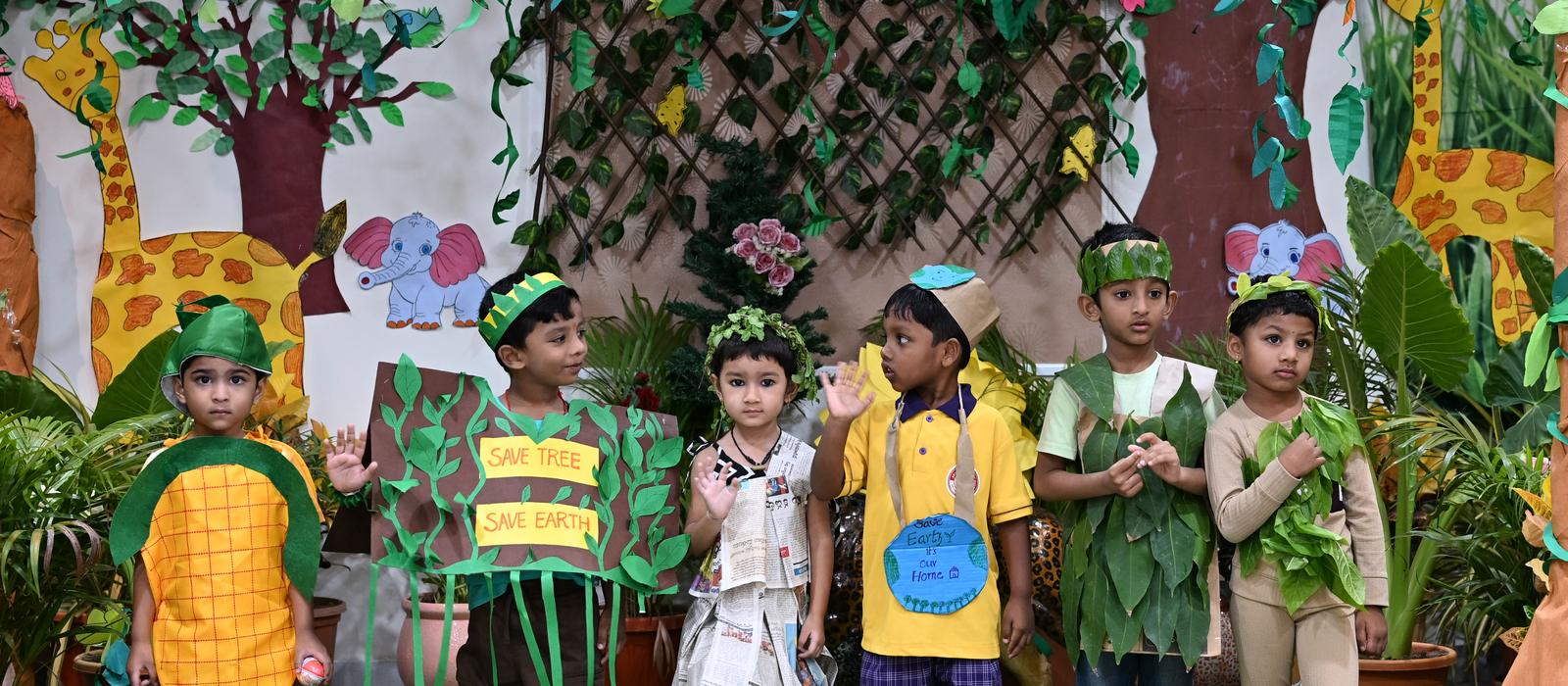
We see a child who reads widely, explains ideas in their own words, is comfortable presenting to an audience, looks after their health, and cares about their family, their neighbourhood and the natural world around them.
That picture guides every decision — from how we plan lessons to how we greet children at the gate.
Our mission is to deliver the CBSE curriculum through clear explanation, guided practice, application and reflection, so that children understand rather than simply memorise.
We commit to knowing each learner well, to keeping parents informed and involved, and to balancing academic depth with sport, the arts, clubs and hands-on projects that build practical skills and confidence.
We will keep our campus safe, our routines calm and our expectations high — while remembering that childhood should be joyful.
A mission only matters if you can see it. These are the everyday commitments behind the words — and the things parents can hold us accountable for.
Lessons are planned around concepts, worked examples and practice, with regular checks so that misunderstandings are caught and corrected early.
Class teachers track each learner’s progress, wellbeing and interests and share observations with subject teachers and parents.
Children speak, read aloud, discuss and present in every grade, in English and in Indian languages, to build fluency and confidence.
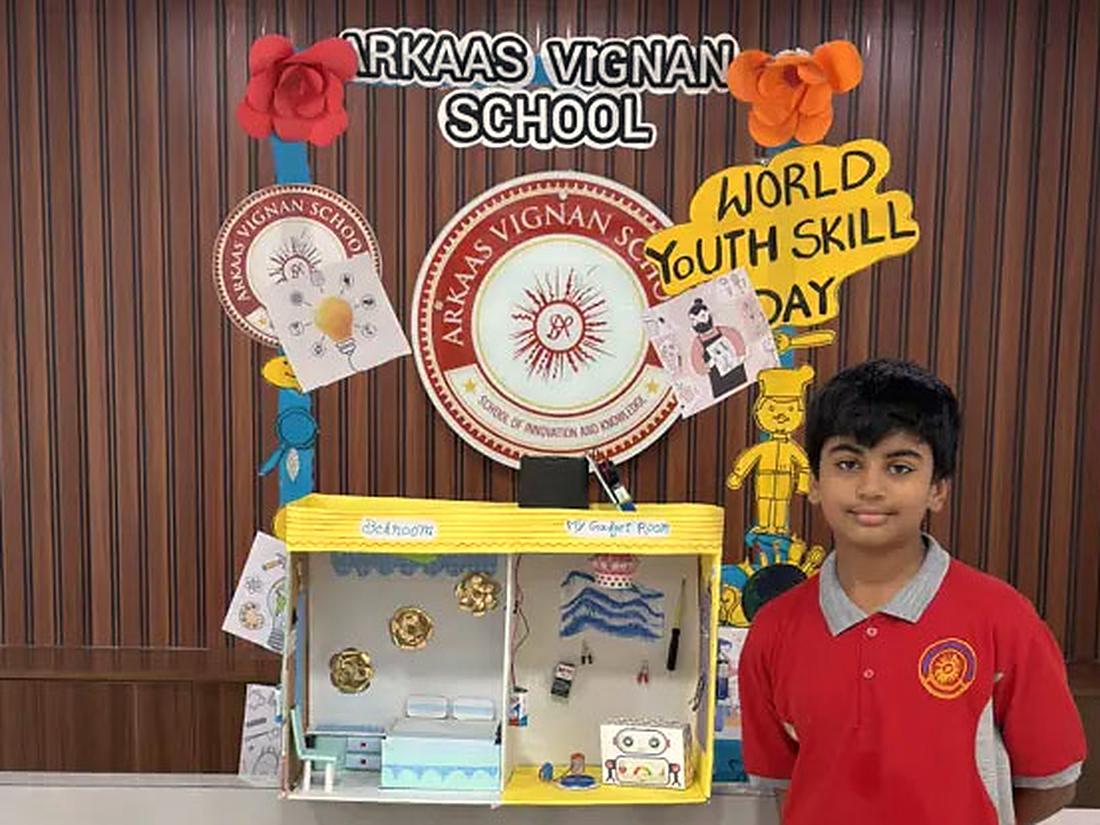
Projects, experiments, models, field activities and exhibitions connect textbook ideas with the real world.
Movement, play, sport, the arts and pastoral care are part of the timetable because healthy children learn better.
Parent–teacher meetings, progress reports and open communication keep home and school working together.
Education is not the filling of a pail, but the lighting of a fire.
We measure ourselves not only by marks, but by the capabilities children carry forward into secondary school and beyond. By the end of middle school, we aim for every Arkaas student to be able to:
Our leadership team revisits our priorities every year using evidence from classrooms, assessments and parent feedback.
Leadership and teachers agree two or three school-wide improvement priorities, such as reading fluency or problem-solving.
Teachers plan collaboratively; leaders observe lessons and give practical, supportive feedback.
Assessment results, student work and attendance are reviewed to identify children who need extra support or stretch.
Parent and student feedback is gathered and used to refine the next year’s plan.
It shapes lesson design (more explanation and discussion), timetables (regular sport and arts), and relationships (teachers who know each child). You will see it most clearly during a campus visit.
No. Strong academics are central, but the mission equally covers communication, character, wellbeing and practical skills.
By attending parent–teacher meetings, supporting reading and routines at home, and sharing feedback with us. Our parent blog has practical ideas.
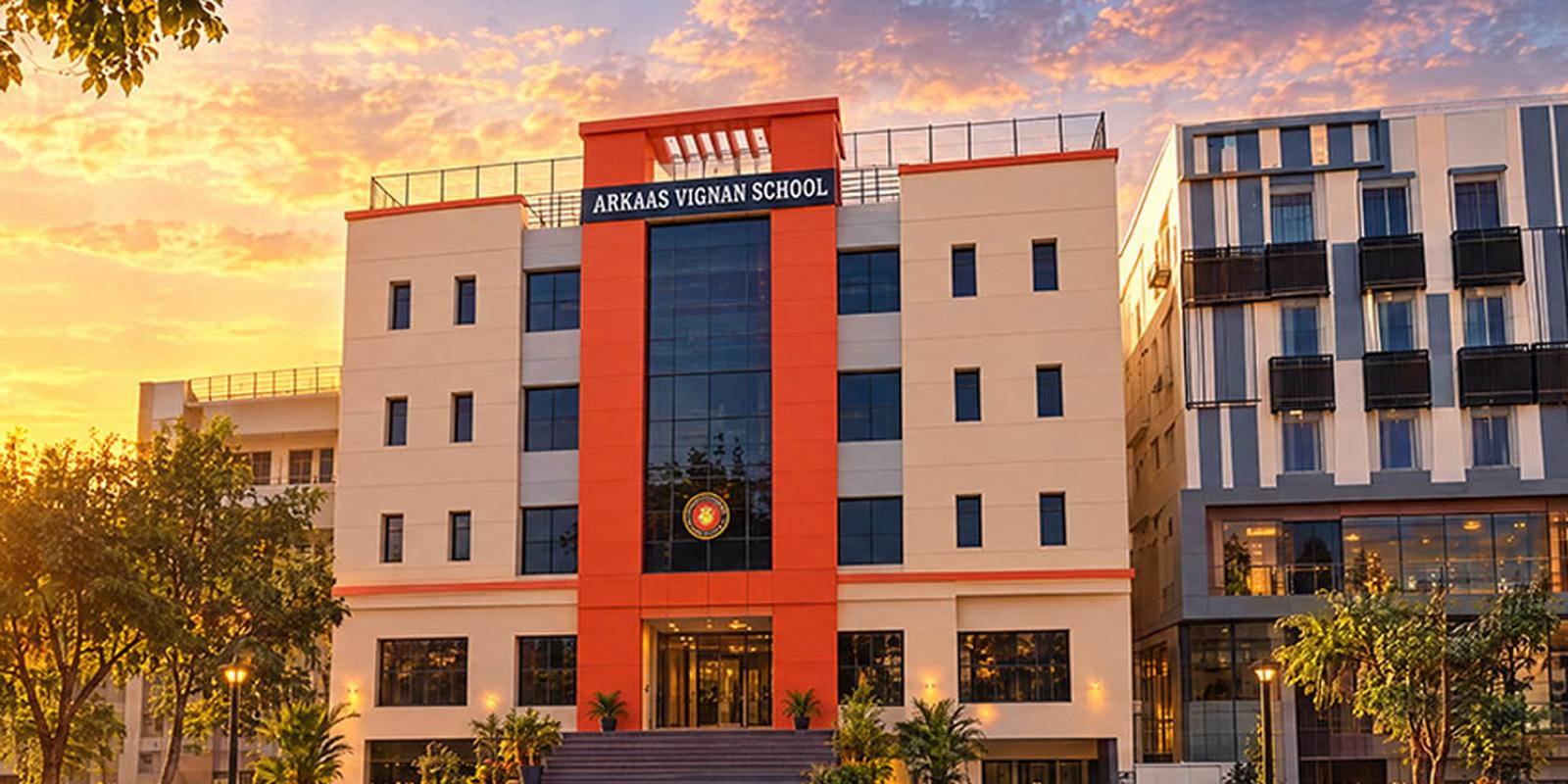
A campus visit is the clearest way to understand how our classrooms work, how teachers speak with children and whether Arkaas is the right fit for your family.